
Why GemCraft Studio Starts Small
Artistic glass work becomes easier to approach when handling, scoring,
snapping, and edge checks are practiced before complex designs.
Practice Built Around Material Feedback
Glass shows mistakes quickly: a forced score line, a rushed snap, a hidden chip, or a texture that makes the pattern harder to read. The course approach treats those moments as signals to slow down and adjust the next step.
Instead of pushing toward oversized projects, practice stays close to useful basics: tracing a pattern, checking fit, smoothing an edge, cleaning residue, and choosing glass by color, opacity, texture, and light.

Not Sure Where To Begin?
Ask about tools, materials, pace, and the safest starting point before working with sheet glass.
How Progress Is Built
The focus is on repeatable habits that make small glass pieces cleaner, safer, and less rushed.

Trace the pattern before marking glass
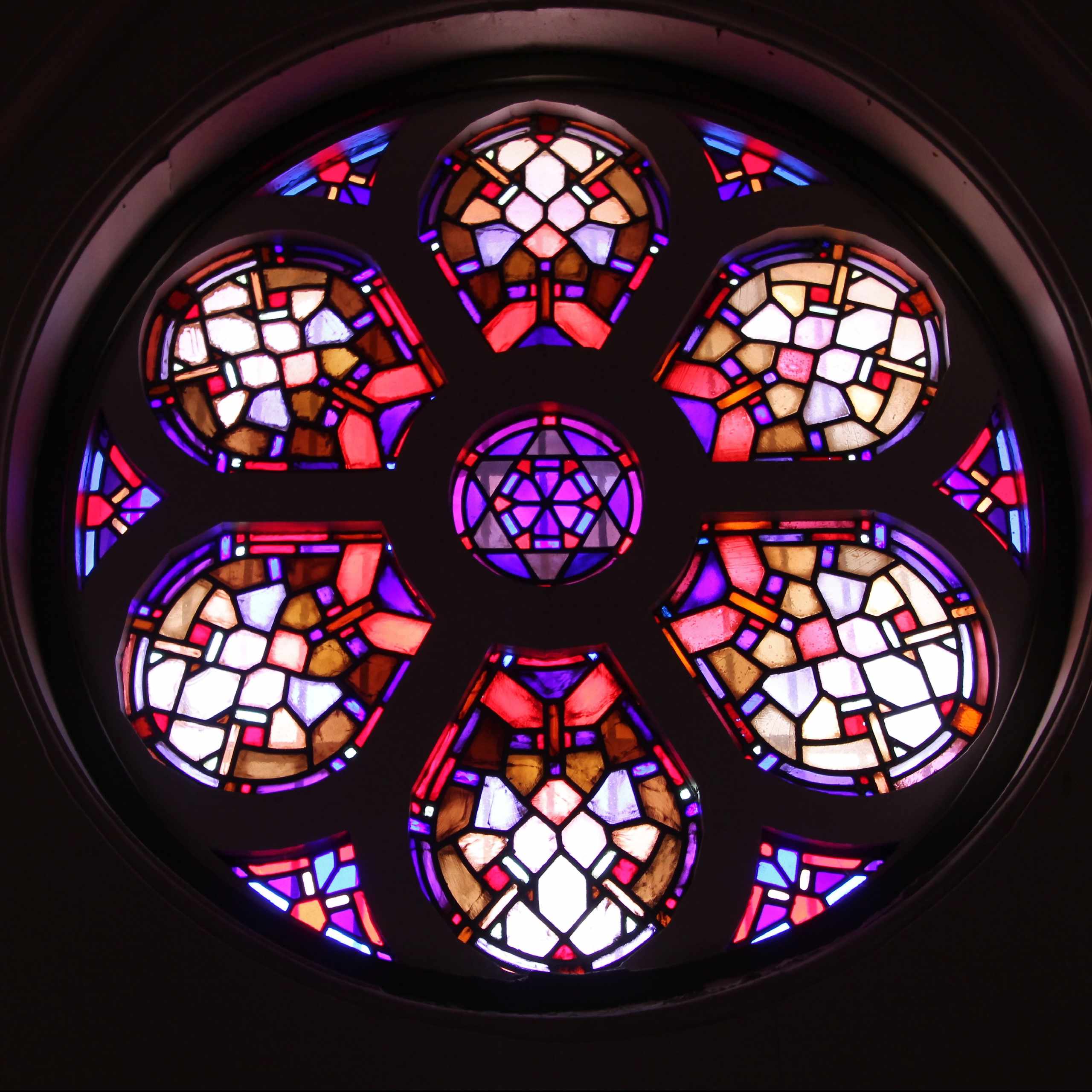
Test cutter pressure on scrap pieces

Pause after each snap for a fit check
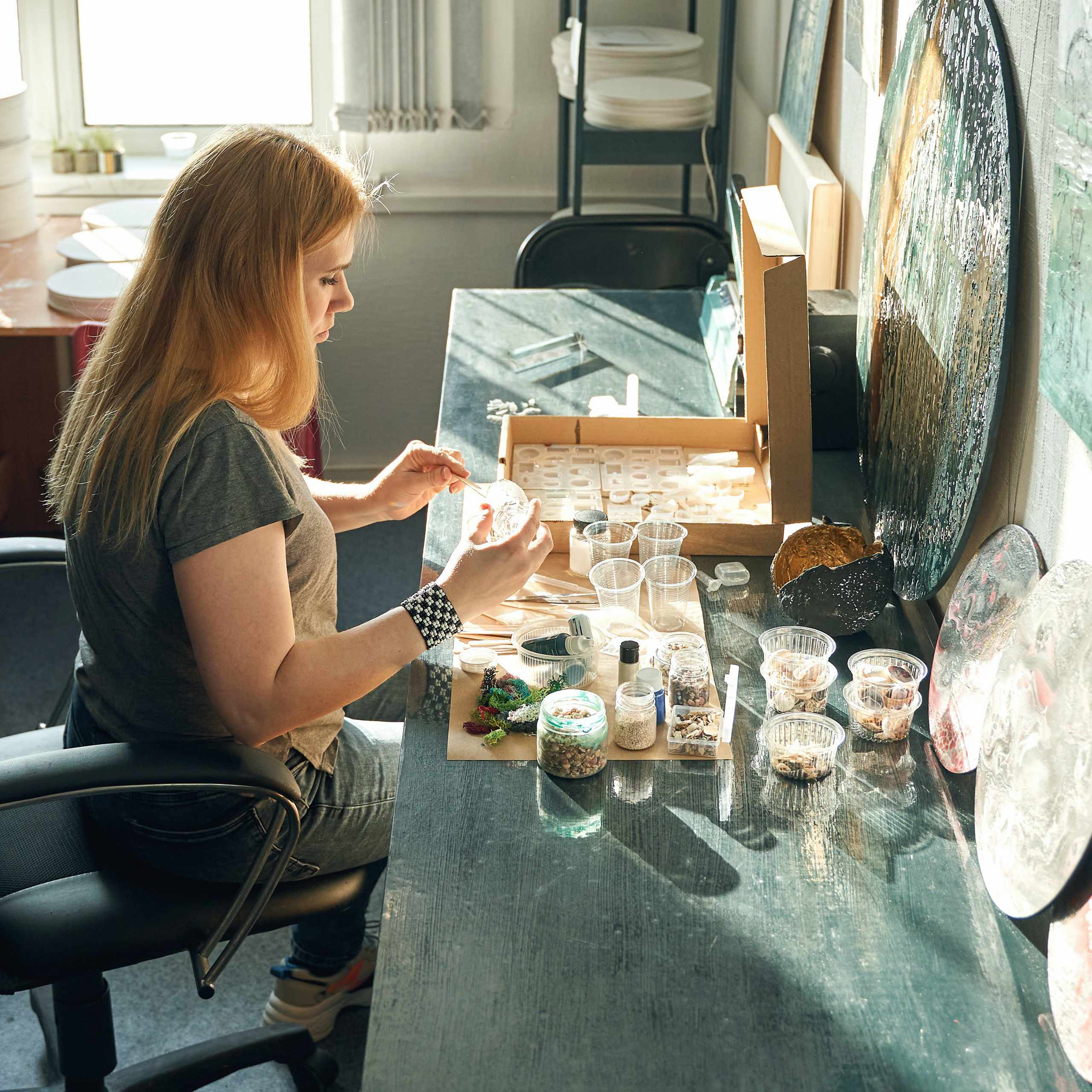
Smooth sharp edges before decoration
Principles Behind The Practice
Safety Before Cutting
Protective glasses, gloves, a clean work mat, and careful small-piece handling come before any score line.
Scrap Glass First
Straight cuts, pressure control, and controlled snaps are tested on scrap pieces before project glass is used.
Design With Limits
Simple templates, clear shapes, and light checks help keep early decorative panels realistic and easier to finish.